
Pune District · 1D/0N · Moderate
Bhimashankar Trek
Overview
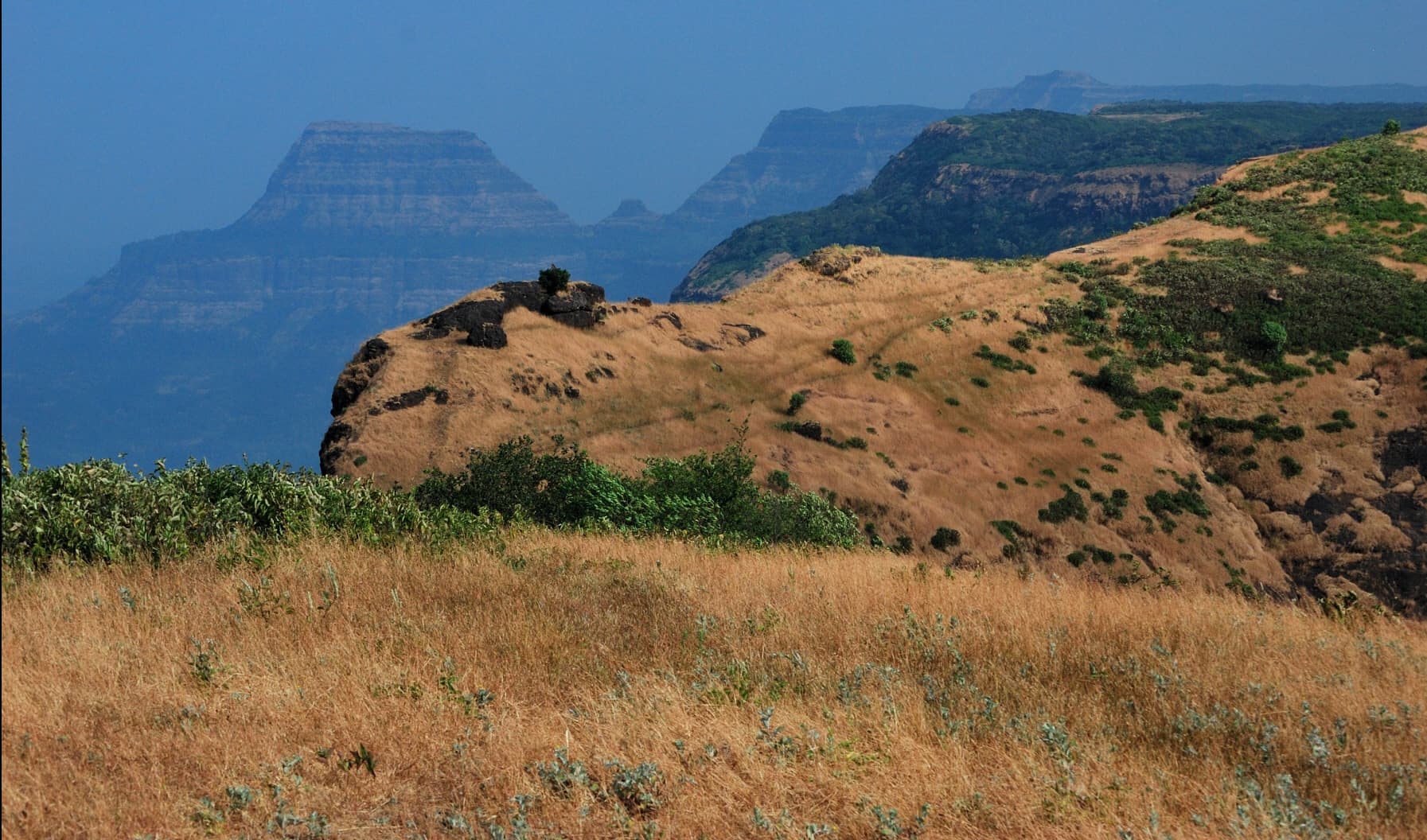
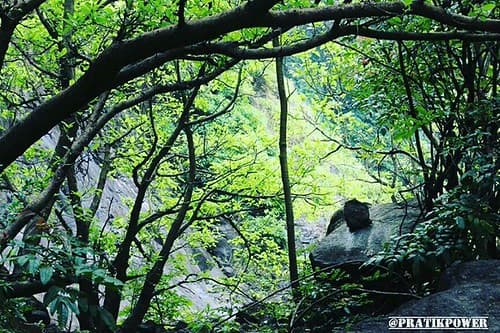
Bhimashankar is the rare Sahyadri outing that gives you three things in one day: a real forest trek, a sacred Jyotirlinga temple, and one of the more biodiverse patches of the Western Ghats. The trail climbs through the Bhimashankar Wildlife Sanctuary — dense evergreen forest that's also one of the last strongholds of the Malabar giant squirrel — up to the ancient Shiva temple at the top, with rolling green valley views opening up along the way.
The forest trail itself runs about 5–6 km with a steady climb (a road alternative exists for anyone who'd rather drive most of the way up), rated a moderate outing that's a genuine step up from an easy walk but still very doable on basic fitness with decent grip on your shoes. The dense canopy keeps the trail shaded and cool even in the rains, which is part of what makes this one comfortable compared to more exposed Sahyadri climbs.
Monsoon, from June through September, is when the sanctuary is at its lushest — streams running, the forest a deep, saturated green — though it's also leech season, so carry salt or leech socks and don't think twice about them; they're a nuisance, not a danger. Post-monsoon, October and November, trades the intensity for clearer views and drier footing, which some trekkers actually prefer. Along the way and up top you're genuinely likely to spot Malabar giant squirrels, hornbills and langurs, on top of whatever birdlife is moving through the canopy that day.
The temple crowd at the summit is part of the character of the place — this is one of the twelve Jyotirlingas, and it draws pilgrims as much as trekkers — but the forest trail itself stays quiet and bird-rich the whole way up, and a short walk to the fort ruins above the temple rewards you with some of the best valley views on the mountain. About 110 km from Pune and 200 km from Mumbai, Wild Rangers runs it as a one day batch from either city with transport, a guide and time built in at both the temple and the ruins.
If you want to stretch the trip into a bigger Sahyadri weekend, Bhimashankar sits well alongside Rajgad, Korigad or the Karoli Valley trek, and further out, Ratangad and Kalsubai. For something closer in flavour to the dense-jungle feel of Bhimashankar itself, the Aadrai and Andharban treks are the ones to add. Pack grip shoes, a raincoat, sunscreen and 2 litres of water, and come ready for a day that's equal parts pilgrimage and proper forest trek.
Based in Pune District, this moderate 1-day trek is best attempted during June, July, August, September, October, November, December, January, February — when the trail and surroundings are at their most rewarding.
1 Day
Duration
1,000m
Max Altitude
Moderate
Difficulty
June
Best Season
Departure City
Cancellation policy: Trek bookings are non-refundable by default. For date changes or special cases, contact us at ayurlove20@gmail.com.
Day-wise Itinerary
Trip Highlights
- ✓One of the twelve Jyotirlinga temples, reached via a real forest trek
- ✓Bhimashankar Wildlife Sanctuary — a stronghold for the Malabar giant squirrel
- ✓5–6 km shaded forest trail, moderate and doable on basic fitness
- ✓Two good seasons: lush monsoon (June–Sept) or clear post-monsoon (Oct–Nov)
- ✓One day batch from Pune (110 km) or Mumbai (200 km)
- ✓Fort ruins above the temple add valley views beyond the pilgrimage stop
Gallery
Inclusions & Exclusions
Inclusions
- ✓Transport
- ✓Breakfast
- ✓Sanctuary entry
- ✓Certified guide and first aid
Exclusions
- ✕Lunch
- ✕Temple offerings
- ✕Personal expenses
- ✕GST, if applicable
Things to Carry
FAQs
How difficult is Bhimashankar?
Moderate. The forest trail is ~5–6 km with a steady climb; a road alternative exists for those who prefer to drive up.
How far from Pune and Mumbai?
About 110 km from Pune and 200 km from Mumbai.
Is it religious or just a trek?
Both — the Jyotirlinga temple is the highlight, but the sanctuary forest walk is the trekking draw.
Best season?
Monsoon (lush, leeches) and winter (clear, birdlife) are both good; avoid hot pre-monsoon weeks.
Are leeches a problem?
In the monsoon yes — carry leech socks or salt; they are harmless but persistent.
Can families do it?
Yes, it is a gentle introduction and the road option makes it accessible for all ages.
What wildlife might we see?
Malabar giant squirrels, hornbills, langoors and plenty of forest birds.
Is the fort worth it?
Yes — short ruins above the temple with fine valley views; add the Gupt Bhimashankar cave for more.
What to wear?
Quick-dry clothes, grip shoes, poncho in the rains, and a change for after.
Is it open all year?
Yes, the temple is open year-round; the forest is best June–February.
Cancellation policy: Trek bookings are non-refundable by default. For date changes or special cases, contact us at ayurlove20@gmail.com.
More Pune District trips
Pair your Bhimashankar Trek with these Pune District companions.
 Difficult
Pune District · 2D/1N
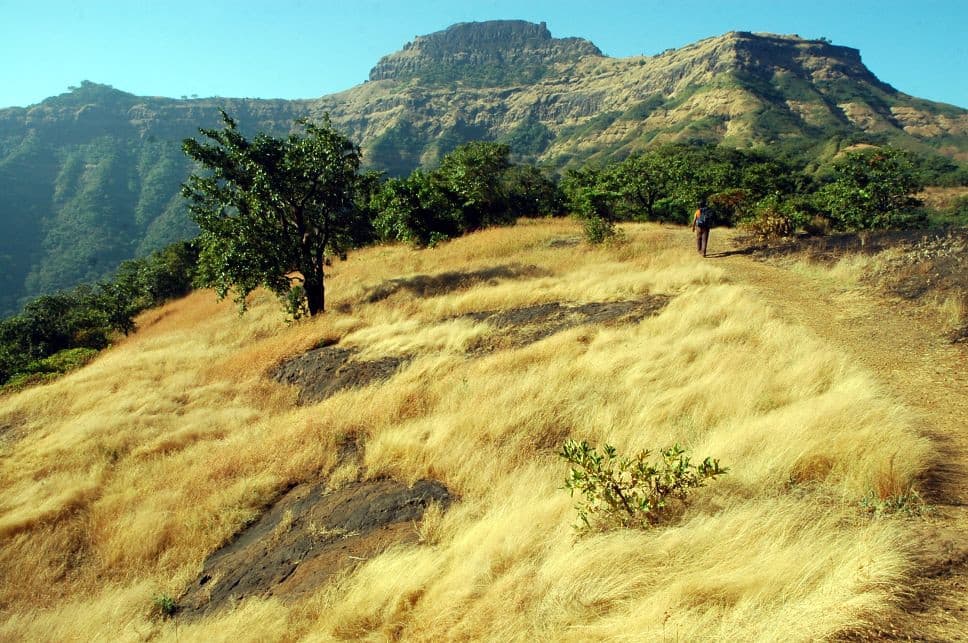
Rajgad Fort Trek
A two-day trek to Rajgad — once the Maratha capital, one of the grandest Sahyadri forts, with huge bastions and Pune-district views.
Starting from
₹2,499
 Difficult
Nashik · 2D/1N
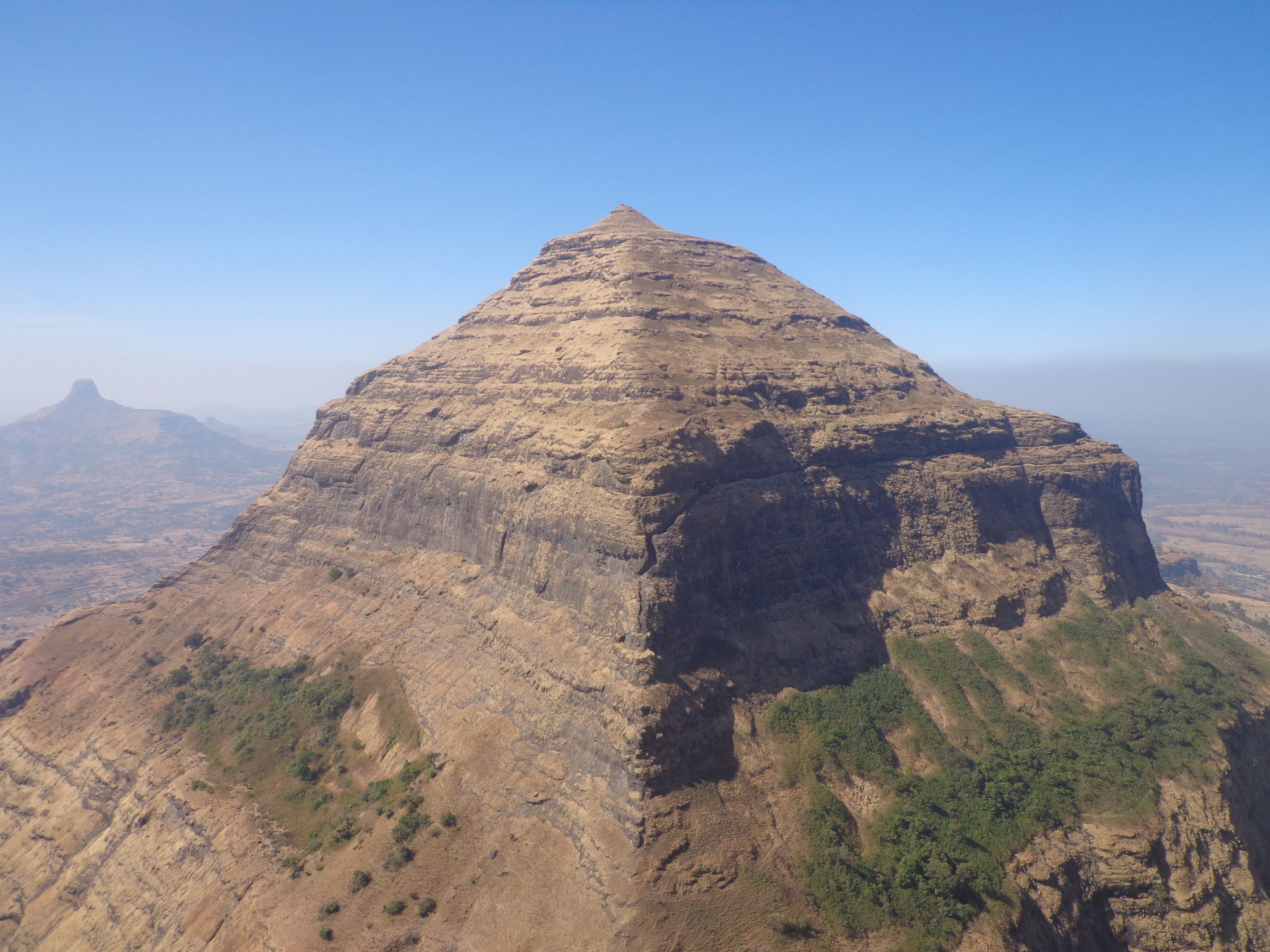
Salher Salota Range Trek
Climb North Maharashtra's two highest forts in one go — the Salher Salota range trek from Waghamba, with sweeping Sahyadri views.
Starting from
₹2,999
 Moderate
Ahmednagar District · 1D/0N
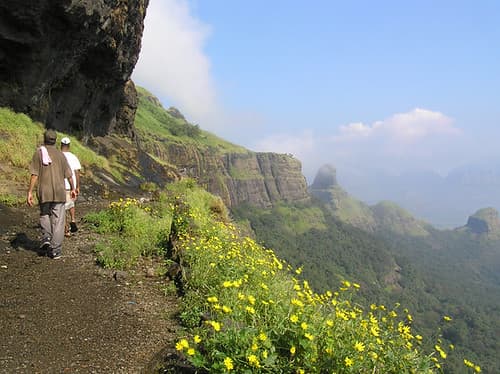
Ratangad Trek
A one-day trek to Ratangad — the 'Jewel of the Sahyadris' — a fort with a natural rock-carved needle (Nedhe) and huge Bhandardara views.
Starting from
₹1,499
You might also like
DifficultPune District · 2D/1N
Rajgad Fort Trek
A two-day trek to Rajgad — once the Maratha capital, one of the grandest Sahyadri forts, with huge bastions and Pune-district views.
Starting from
₹2,499
 EasySale
Maharashtra · 1D/0N
Andharban Trek
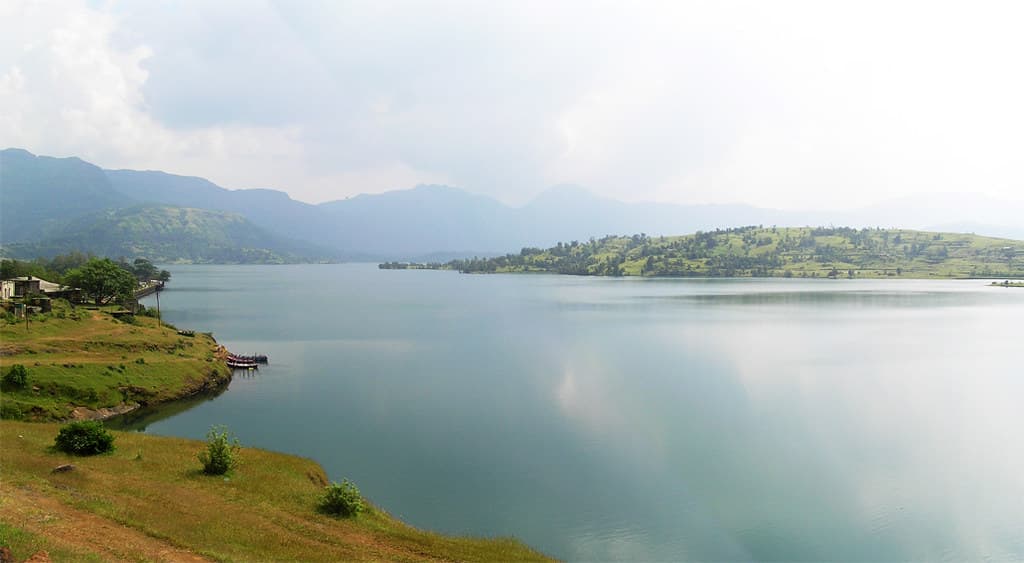
Andharban (Dark Forest) trek from Mumbai — a 6 km monsoon descent through Tamhini Ghat with waterfalls and Mulshi backwater views.
Starting from
₹1,199₹1,399
 Easy
EasyAhmednagar District · 2D/1N
Bhandardara Camping
A two-day lakeside camping escape to Bhandardara — the quiet Sahyadri reservoir below Kalsubai, with fireflies, falls and star-filled skies.
Starting from
₹1,499