
Guides · 8 min read
Lonar Crater Lake Guide
By Wild Rangers · 17 July 2026
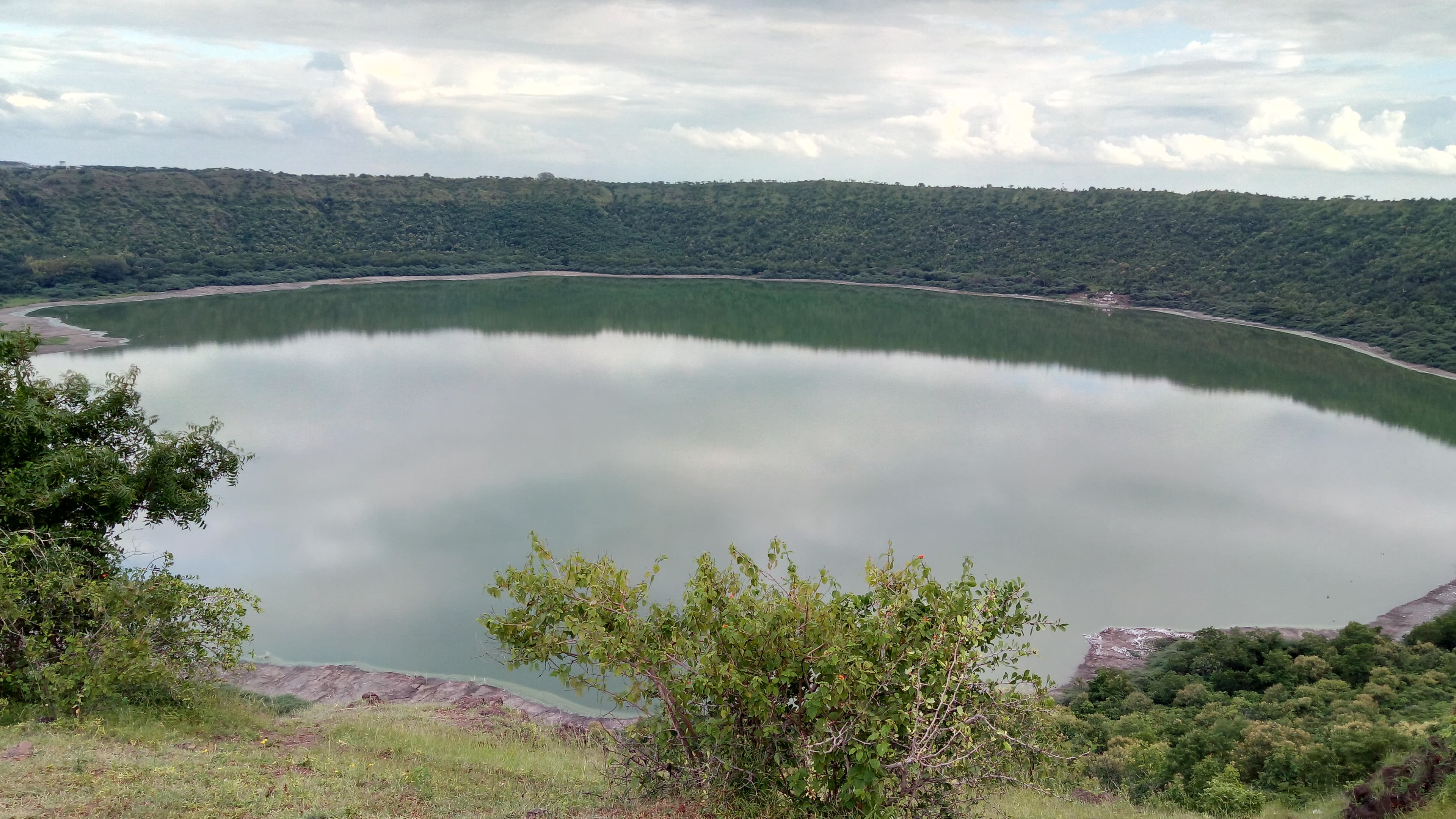
If you have been searching for 'lonar lake' or 'lonar crater', you have found one of India's strangest and most beautiful natural wonders. Lonar Crater Lake, in Maharashtra's Buldhana district, sits inside a 50,000-year-old meteorite impact crater — one of only a handful on the entire planet formed in basalt rock. The result is a bowl of water that is both salty and alkaline at once, ringed by forest, temple ruins and winter flocks of flamingos.
This guide covers everything you need before you go: how the crater formed, why the lake is so unusual, the temples on the rim, the best season to visit, and how to actually get there from Mumbai or Pune.
What makes Lonar Crater Lake special
Most lakes are fed by rivers or springs. Lonar is different — it was blasted into existence when a meteor struck around 50,000 years ago. Over millennia, the closed basin concentrated minerals from the surrounding basalt, so today the water is both saline and alkaline (soda). That rare chemistry is why scientists, geologists and photographers all make the pilgrimage. The crater is about 1.8 km across and roughly 150 m deep, with a forested wall you walk down to reach the shoreline.
The temples on the rim
The crater rim is dotted with Hemadpanti-style temples, the most notable being the Daitya Sudan Temple at the edge of the lake — dedicated to Vishnu and carved with intricate sculpture. As you descend, you pass the Gomukh Temple (where a stream emerges from a stone 'cow mouth') and, at the waterline, a partially submerged Shiva shrine that surfaces and sinks with the seasons. It's a layered blend of geology and history you rarely get in one frame.
Birds and wildlife
In winter, Lonar Lake draws flamingos, brahminy ducks and a range of migratory birds, while the crater walls shelter peacocks, monitor lizards and langurs. The early morning light on the still water makes it a quiet, almost surreal place to simply sit.
Best time to visit Lonar Crater Lake
The crater is open year-round, but the most comfortable and rewarding window is October to March — cool, clear, and best for birding. The monsoon (July-September) turns the surrounding countryside vivid green, but the descent gets slippery and the shoreline can be muddy. Summer (April-May) is hot; go early and carry plenty of water.
How to reach Lonar from Mumbai and Pune
Lonar is about a 8-9 hour drive from Pune and 9-10 hours from Mumbai, through the sugarcane belt of Maharashtra. Most travellers do it as an overnight drive and arrive fresh for a morning crater walk. If you would rather not drive, Lonar Crater Lake Trip runs guided batches from both cities with transport, a local guide and entry fees handled.
What to carry and know before you go
Wear grip shoes — the crater wall is a steady climb back up in the heat. Carry 2L of water, a cap, and binoculars if you enjoy birds. There is no outflow from the lake, so don't expect swimming; the experience is the walk, the temples and the stillness. Pair Lonar with nearby forts like Ratangad Trek or Rajgad Fort Trek if you want a fuller Maharashtra heritage circuit.
Plan your Lonar trip
Whether you are a geology buff, a birder, or just after an offbeat weekend, Lonar Crater Lake rewards the effort. Browse the guided Lonar Crater Lake Trip from Mumbai and Pune, and let the craters do the rest.
Frequently Asked Questions
How do I reach Lonar Crater Lake?+
The lake is located in Maharashtra's Buldhana district. You can fly to Mumbai or Nagpur, then take a taxi or bus to Buldhana (160 km from Nagpur). From there, a local taxi or auto-rickshaw takes you the final 30 km to the lake.
What is the best time to visit Lonar Crater Lake?+
The ideal time to visit is from October to March when the weather is pleasant and temperatures range from 15-25°C. Monsoon months (June-September) can be challenging due to heavy rains and road conditions.
Is Lonar Crater Lake difficult to access or trek?+
No major trekking is required. The lake has a motorable road that circles it, making all key viewpoints easily accessible by car or bicycle. Some short nature walks around the lake are available for those who prefer walking.
What should I pack for a visit to Lonar Crater Lake?+
Pack light cotton clothing, a hat, sunscreen, and comfortable walking shoes. Since it's a saline-alkaline lake, bring extra water and avoid touching the lake water with open wounds.
Is it safe to visit Lonar Crater Lake?+
Yes, it's generally safe for tourists. However, be cautious around the lake edges as the terrain can be slippery. Avoid swimming in the lake as it's highly saline and not safe for bathing.
Are there entry fees or costs for visiting Lonar Crater Lake?+
There is a nominal entry fee for the protected area, typically around ₹50-100 per person. Additional charges may apply for camera permits if you plan to shoot professional content or conduct research.
What are the main attractions around Lonar Crater Lake?+
Key attractions include the ancient Ramnagar Temple, the unique saline-alkaline lake itself, migratory bird sanctuaries, and the Garadpur Temple. Don't miss the panoramic viewpoints and the distinctive red soil surrounding the crater.
Can I stay overnight near Lonar Crater Lake?+
Yes, basic accommodations like guesthouses and homestays are available in nearby Ramnagar village. For more options, stay in Buldhana town (30 km away) before heading to the lake in the morning.
More from the blog
Guides · 7 min read
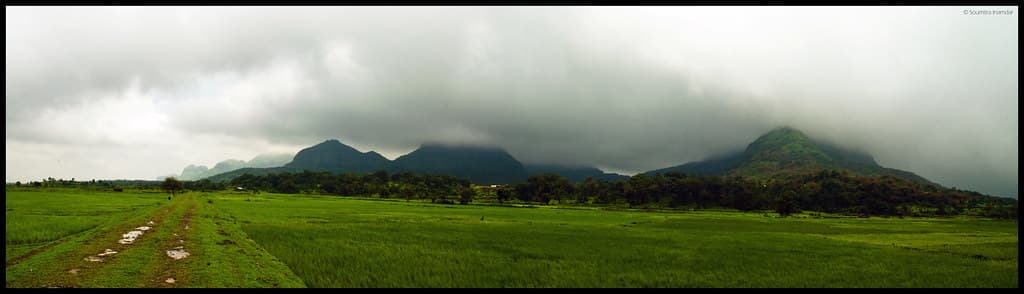
Naneghat Reverse Waterfall Guide
What the Naneghat reverse waterfall actually is, trek difficulty, how to reach from Mumbai, and the best (monsoon) time to see it. Links to the guided batch.
By Wild Rangers · 17 Jul 2026
Guides · 6 min read
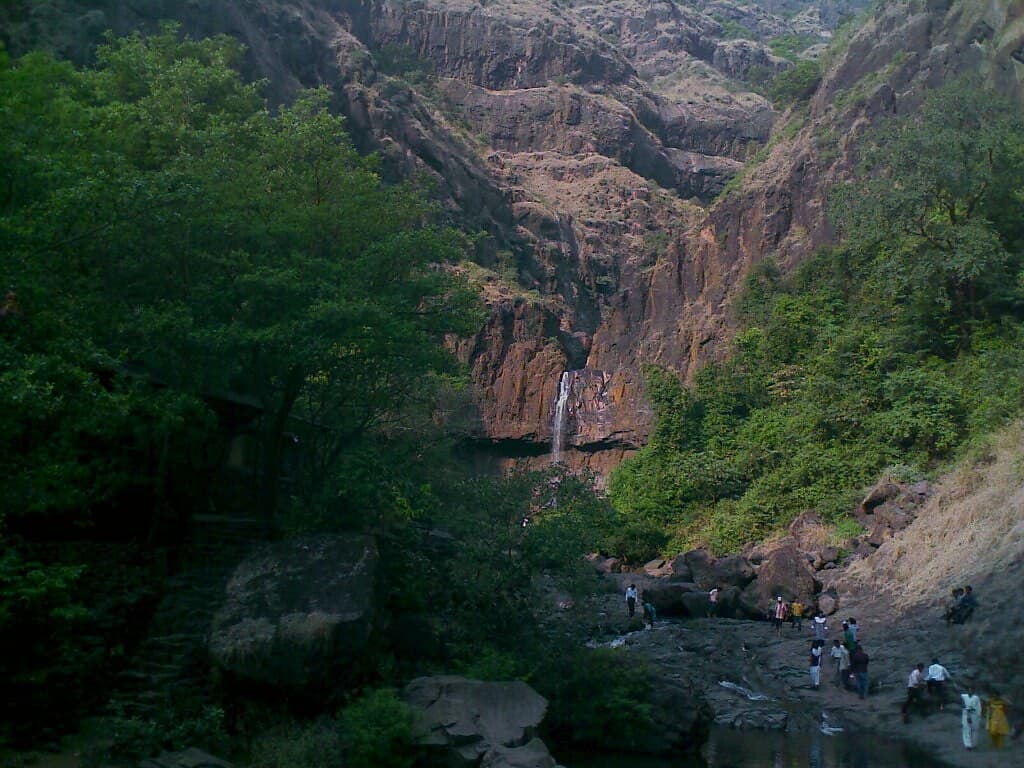
Nanemachi: Hidden Gem of Sahyadri
Nanemachi is a 4-tier waterfall and emerald pool tucked in the Malshej Ghat, off the tourist radar. How to reach it and trek difficulty.
By Wild Rangers · 18 Jul 2026
Guides · 5 min read
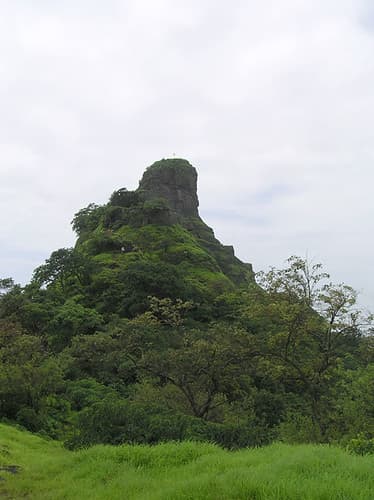
One Day Treks Near Mumbai
Short on time? These one-day treks near Mumbai are perfect for a quick weekend escape - Kalsubai, Korigad, Kalavantin, Lohagad-Visapur and more.
By Wild Rangers · 17 Jul 2026